


Hair Growth Anxiety? Start With This Reality Check
Tried every growth serum and still no results? You might be solving the wrong problem. Read the reality check.

21.04.26
Hard water affects more than your kettle. It can disrupt your skin barrier, change how products perform, and mimic the signs of the wrong routine. Read the full picture.
Your skin felt fine last month. Same products, same routine. Now it feels tight, looks dull, and something just seems off. So you do what most of us do: open a new tab and start replacing things. But what if your skin changed before your products did?
The context question nobody is asking
There is one variable that most skincare advice skips over: the water coming out of your tap.
Hard water contains elevated levels of calcium and magnesium, and it is far more common than most people realise. When those minerals meet your skin, they interact with its surface, gradually disrupting the hydrolipidic film that keeps your barrier balanced. Over time, this can shift the skin's pH, weakening its ability to retain moisture and regulate itself.
You might recognise it as skin that feels tight or ‘squeaky’ after rinsing, even with a gentle cleanser. A dull, filmy look that no amount of exfoliation shifts. Dryness that keeps returning despite layering on hydration. For skin that is already reactive, repeated mineral exposure can compound things further.
Before you blame the product, understand what is happening to your skin first. Your cleanser did not fail you. Your postcode might have.
Explore formulas matched to your skin's actual needs, not just your symptoms.
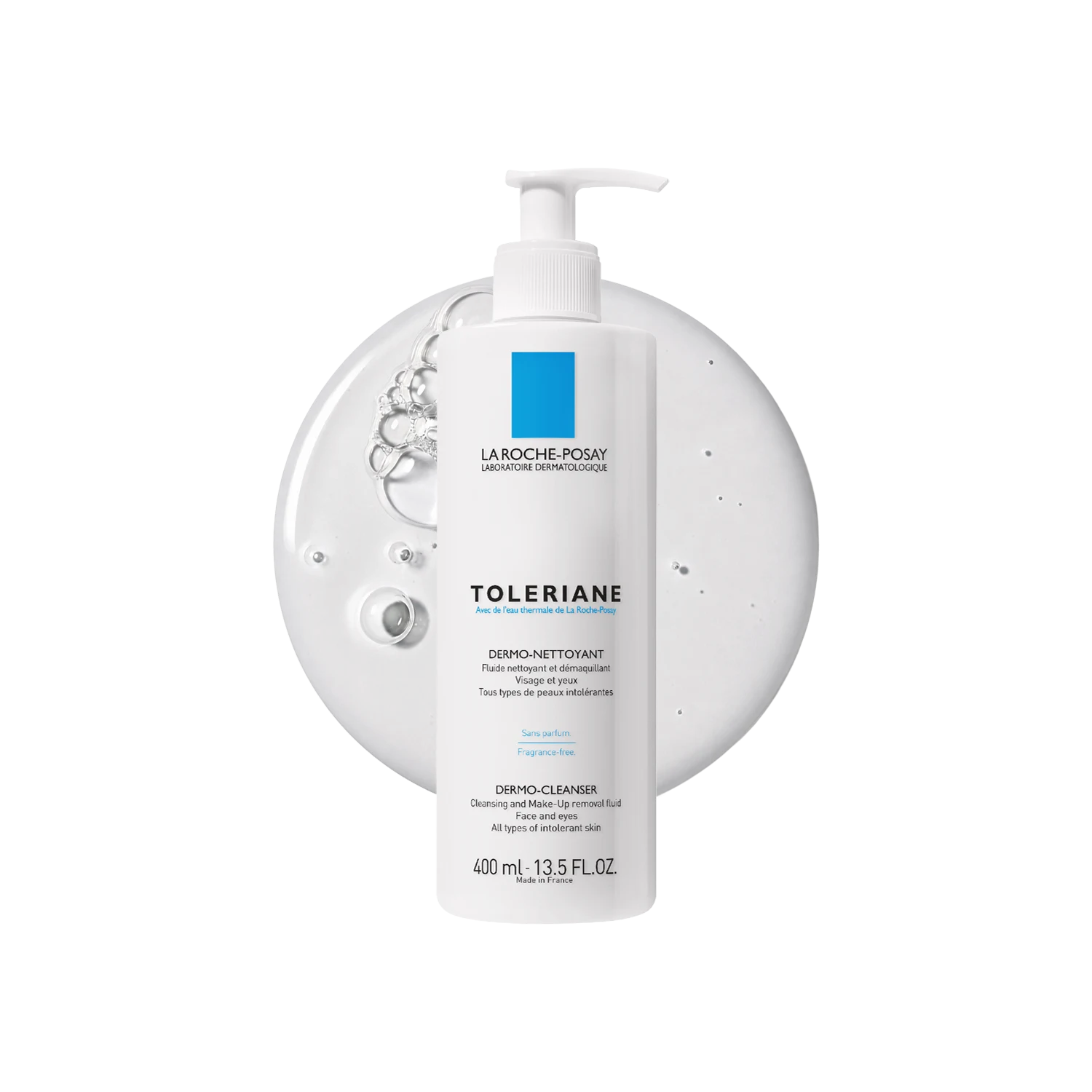
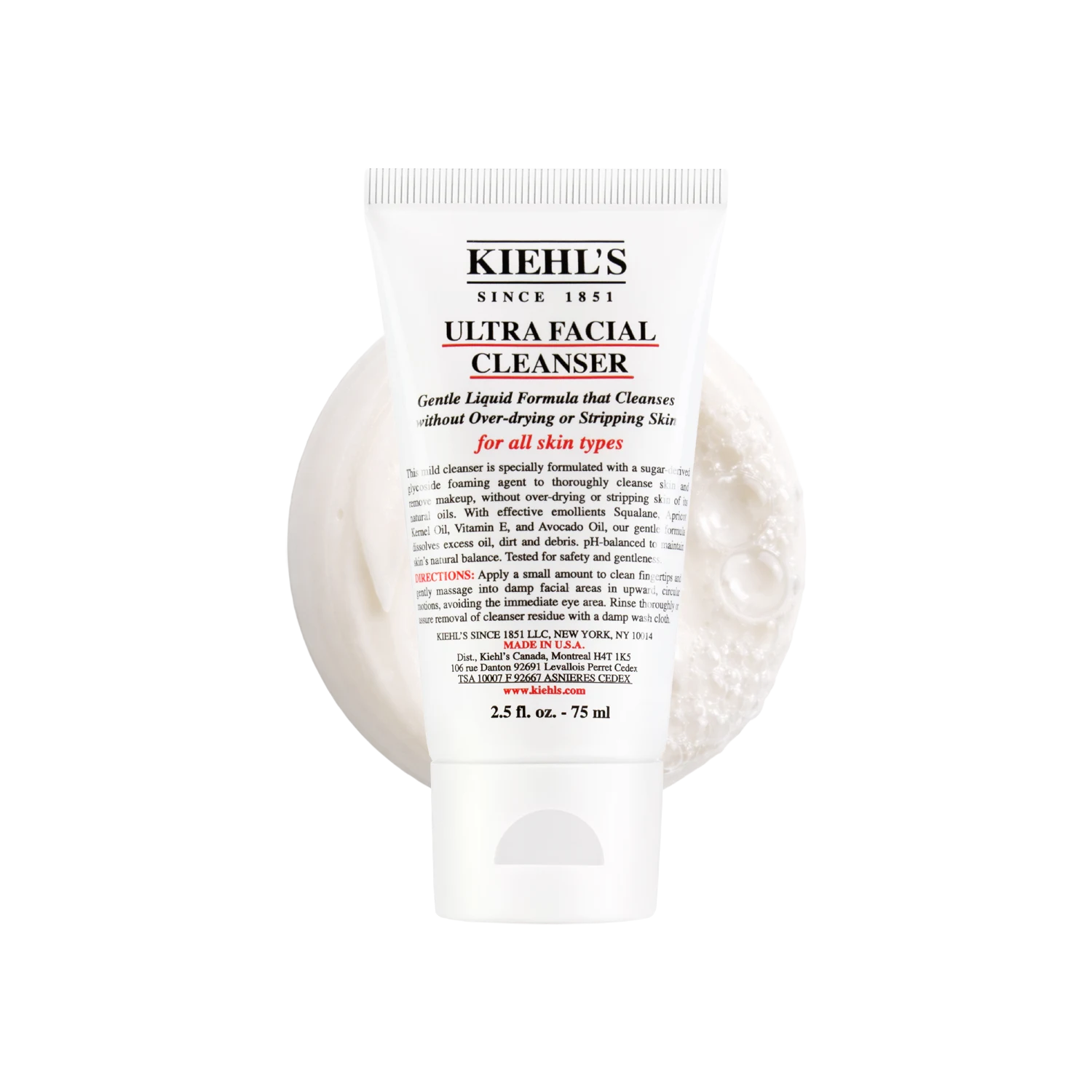
What hard water actually does to skin
When hard water minerals interact repeatedly with the skin's surface, they can perturb the barrier's integrity. A weakened barrier loses moisture more easily and becomes more prone to reacting to what you apply. It is not that your moisturiser stopped working. It is that your skin's ability to receive it changed.
Before switching formulas, ask yourself: has anything else changed? A move, a new flat, a recent trip? Water quality varies significantly between postcodes, even between buildings.
The product did not change. The context did. Start with what your skin is telling you.

The reflex switch and the cost of it
When skin reacts, the instinct is to discard and repurchase. New cleanser. New serum. Maybe a whole new routine. But you are not solving the issue. You are adding variables to an equation you have not actually read yet.
Noli calls this the noise cycle: reacting to symptoms without diagnosing the cause, spending money without gaining understanding. Switching products will not fix a contextual problem. It just gives you a more expensive one.
While for your hair lengths and shafts, mineral build-up can leave hair feeling rough, weighed down, or flat despite regular conditioning. It also makes shampoo lathering and cleansing less efficient, and causes hair colour treatments to fade more quickly. That residue you keep mistaking for product build-up? It might be your water.
Stop guessing. Let your skin and scalp data point you in the right direction.
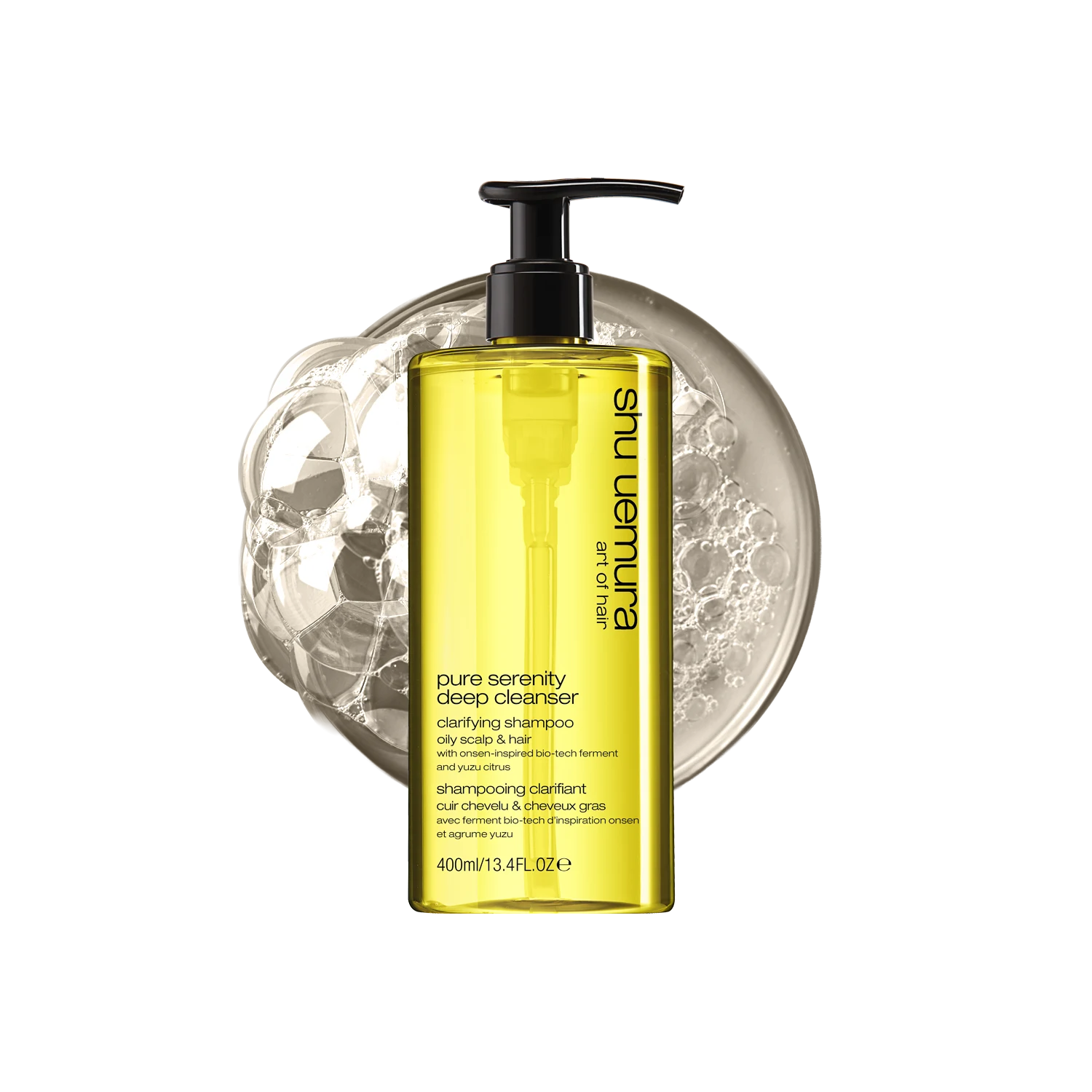
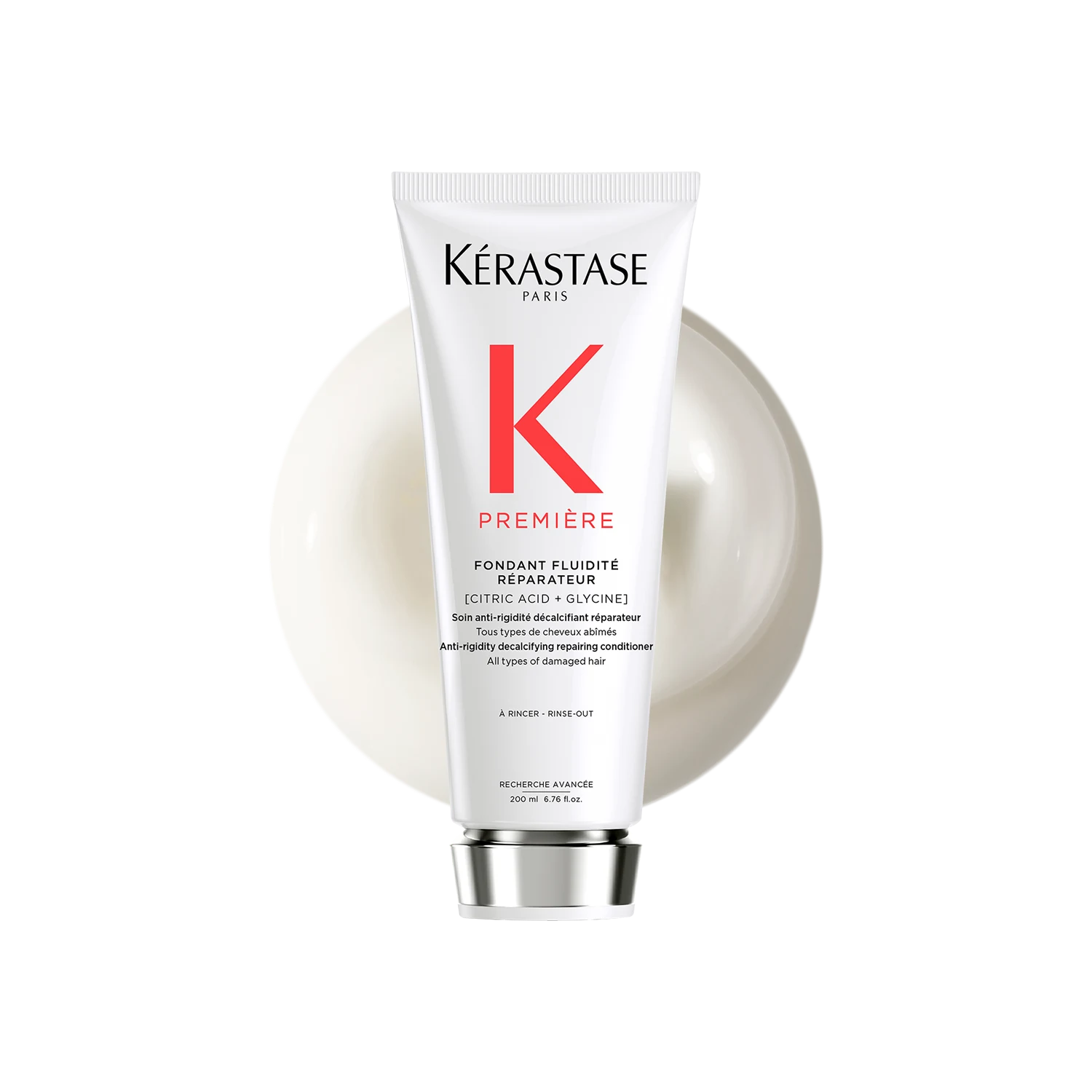
Before changing everything, diagnose before reacting
Before replacing anything, zoom out. Consider whether something in your context has shifted: your location, your water supply, your stress levels, the season. A gradual change in texture or sensitivity often signals an environmental factor. A sudden reaction usually points to a specific trigger. The response should be different too.
Noli is built on exactly this logic. Diagnosis before reaction. Suitability before trend. Understanding your skin and your environment first, before making any recommendation.
Fix the context before you upgrade the routine. Let your skin lead the way.
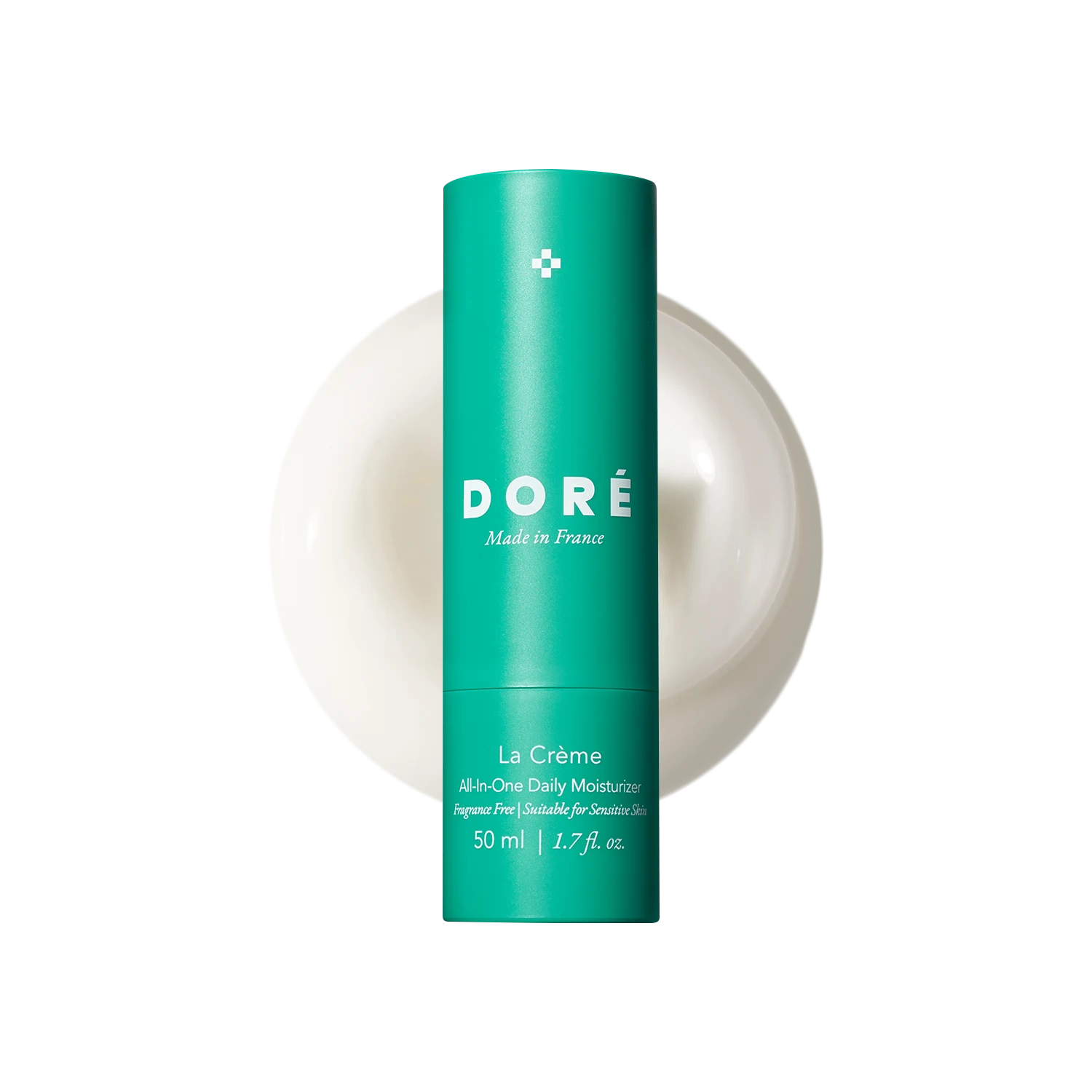
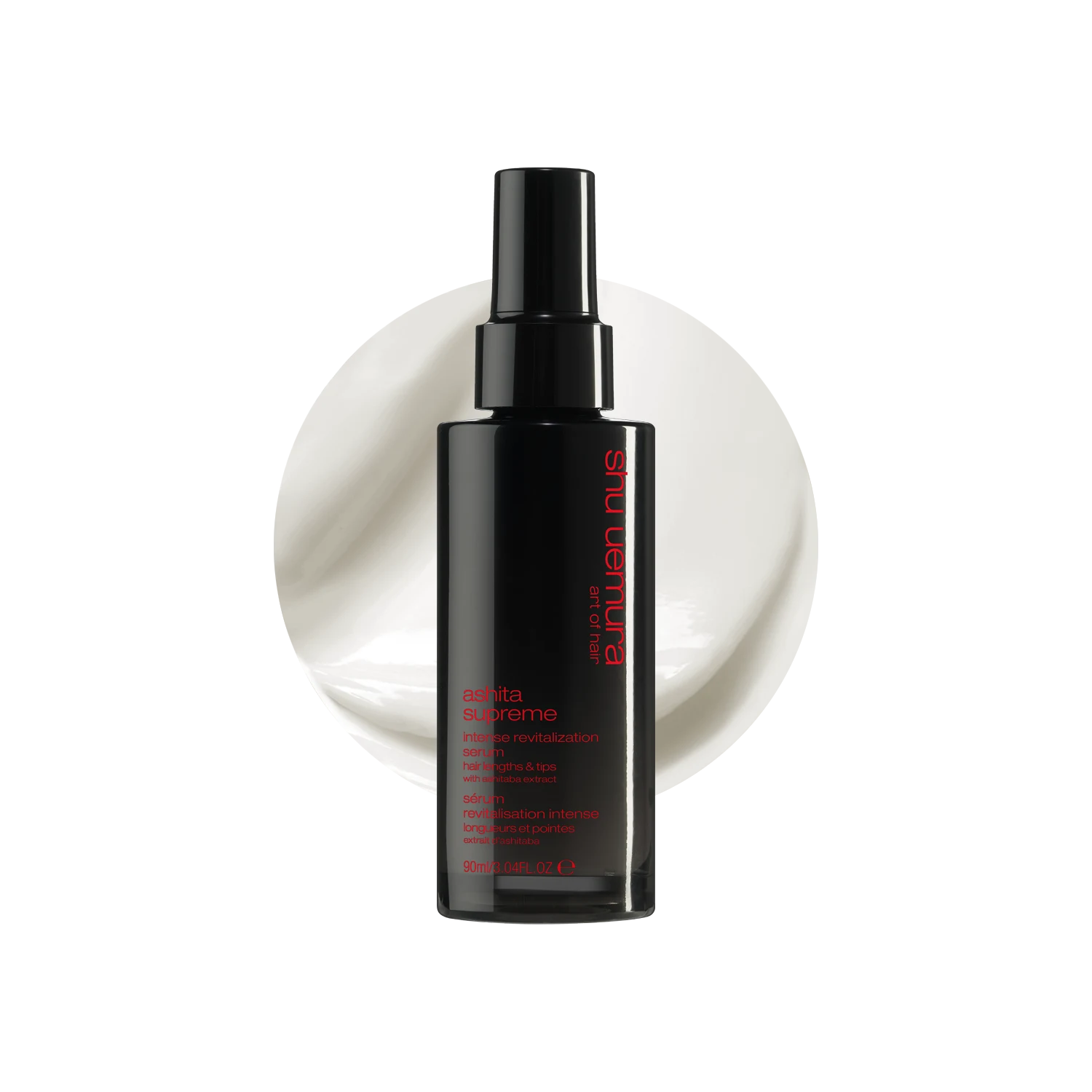
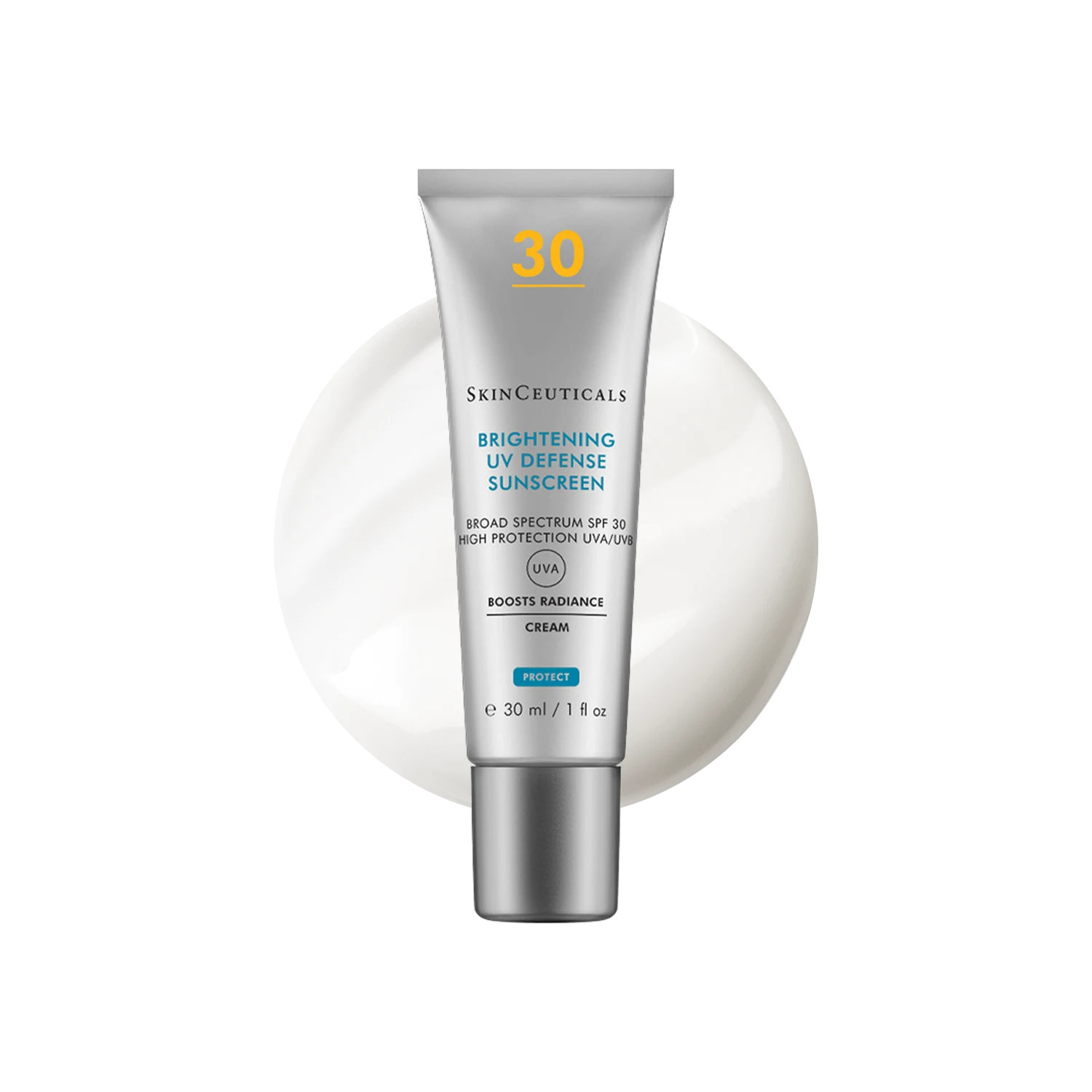
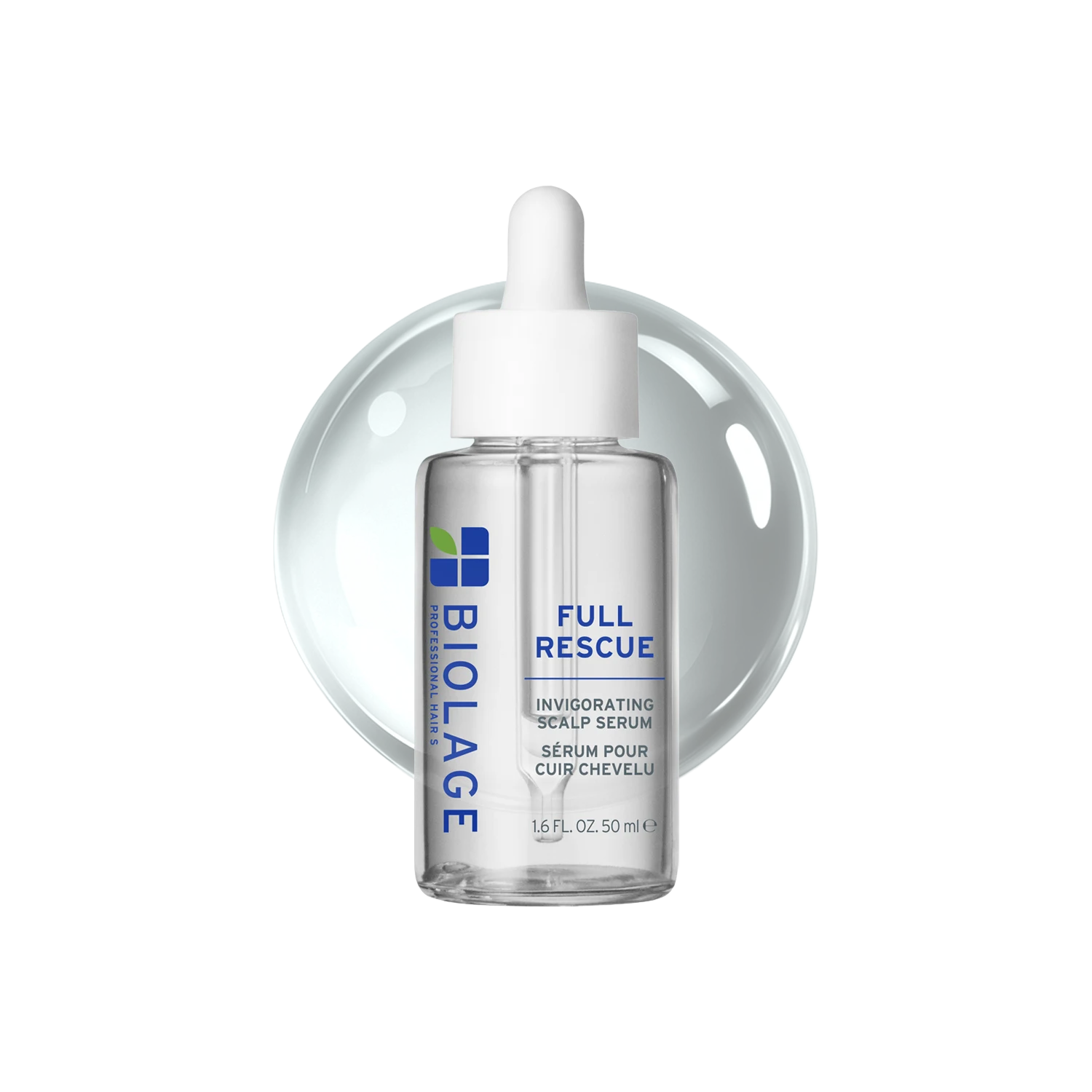
Find what works for you on Noli.
Latest learn stories
Hair Growth Anxiety? Start With This Reality Check
Tried every growth serum and still no results? You might be solving the wrong problem. Read the reality check.

Hydration overload: when layering leads to overhydrated Skin
More steps don’t always mean better results. Understand when your routine is overloaded — and how to bring it back to balance.

Same routine, different water. Why your skin is not buying it anymore
Hard water affects more than your kettle. It can disrupt your skin barrier, change how products perform, and mimic the signs of the wrong routine. Read the full picture.

Do you really need to add Vitamin C this spring?
The truth about vitamin C: what it does, how to use it, and how to choose the right formula for you.

Exfoliation reset: less methods, better results.
Exfoliation isn’t a must for everyone. Learn how to spot when your skin needs it, which formulas are a match, and how to avoid damaging your skin barrier.

Spring Beauty Audit: 3 questions to ask your shelf before falling for the next TikTok trend
Spring is the perfect time to reassess your skincare. Understand what your skin truly needs, what to let go of, and how to make more informed, effective product choices.

The real glow starts with double cleansing
Your glow isn’t something you add — it’s what’s revealed when your skin can finally breathe. Double cleansing gives your complexion a clean slate, so radiance can shine from within.

Six Myths About Double Cleansing That Are Holding Back Your Glow
Could Double Cleansing be the solution that elevates your skin's true radiance? Find out with us!

Double cleansing: two steps to let skin breathe
Your skin works hard every day. Double cleansing is how you return the favor, two gentle steps that lift away the day, restore balance, and let your skin breathe again.

Smarter Glow for Spring: Why Mists and Essences Make a Thoughtful Gift for Her Skin
Discover why mists, essences, and gentle exfoliators are the perfect Mother’s Day gift. Learn how to choose products that refresh, hydrate, and give her skin a spring reset

The Gift of Time: The 3-Step Body Saho Ritual Every Mother Deserves
Learn how the Japanese-inspired Body Saho ritual transforms simple body care into a mindful self-care practice, helping Mum feel replenished, restored, and deeply cared for this Mother’s Day.

Longer Hair. Smarter Care. Thoughtfully Given.
Long hair is about preserving strength, not waiting for growth. Discover personalised care protects lengths and makes a gift that truly matters.

Winter Proofing: How to Love Your Skin Despite Cold Winds, Hot Showers, and Over Heated Rooms
From dry air to temperature shifts, winter places repeated stress on skin. Learn what’s really happening — and how understanding helps you care for it better.

The Self-Love Routine That Takes Less Than 5 Minutes (And Still Works)
Wondering how to help your skin wake up in the morning, and switch off before bed? Five minutes can take your go-to daily routine to a true moment of gentle self-care

The Self-Love Evening: Turning A Winter Night Into A Full Care Ritual
Giving your skin a break means pressing pause. Switch off, slow down and support your skin’s natural recovery with an evening ritual designed to restore balance, calm and comfort.

Stop Dating Products. Start Committing To What Works
Learn why consistency matters, how skin responds over time, and how to read results with clarity, confidence, and far less guesswork.

The Problem With Dupes: They Match The Hype, Not Your Skin
Skincare learning without the dupe confusion. Explore calm science, real context, and guidance that helps you understand your skin, so choices feel informed, not influenced.

How The Right Haircare Builds Confidence
Learn how the right haircare routine builds confidence from the roots. Support scalp balance, smooth strands and predictable hair days, ask Noli hair diagnostic.

New year resolutions and smarter skincare habits
New year, fewer impulses. Smarter skincare habits are about knowing what earns its place. Less trend-chasing, more confidence in your own judgement.

Winter glow, simplified: 3 calming habits your skin actually needs
2026 brings a new rhythm for skin. Gain clarity on what your skin truly needs in winter, and discover the 3 calming habits that restore radiance.

5 simple ways to improve your skin this January
This January, improvement looks like subtraction. 5 simple ways to reduce the guesswork, calm your skin, and keep only what earns its place.

Why you should switch your skincare with the seasons
Cold, dry weather. Indulgent meals and extra bubbly. Little sleep. It’s all a bit much for your skin. Discover how doing less and focusing on the essentials helps your skin stay balanced in winter.

Less but better: the best winter skincare protagonists
New year, fresh perspectives. Let go of old skincare habits, listen to your skin and rebuild a winter routine based on clarity, not complexity.

After the holiday rush, how to support your skin at home
After the holiday rush, January is your chance to reset your skin. Repair the barrier, refine your routine, and start the year with clarity.

When your skin talks back: decoding sensitivity
How to read what your skin is really trying to tell you — from tightness to redness to heat. Learn to translate those signals into what it truly needs. Noli helps you listen, not fight back.

Barrier care, but for your scalp
Did you know your scalp as a skin barrier too? Welcome to the skinification of hair, where caring for your scalp means stronger, shinier strands and calmer roots, starting with balance from within.

Less friction, more function: rebuilding trust with your skin barrier
Learn how to rebuild tolerance and strengthen your barrier, one gentle, consistent step at a time.

The 4 golden rules for a calmer, stronger skin barrier
A compromised barrier can show up as redness, dryness, tightness, or random irritation that seems to appear out of nowhere. These are all damaged skin barrier signs, your skin’s way of saying ‘I need a reset’.

Redness decoded: when irritation is actually communication
Redness isn’t just a reaction, it’s information. This article explores what different types of redness really mean, from flush and flare to inflammation, and how to respond to each with calm, not panic.

Overtreated and overstressed: how skincare fatigue hurts sensitive skin
When “doing more” starts to do harm. From endless layering to TikTok-led routines, discover how to strip things back, soothe your skin, and still keep results that matter.

The Skinxiety Report
Confusion is the biggest skincare problem no one talks about, that's why we surveyed over 800 people to uncover why confidence in skincare is so low.

When your skin talks back: decoding sensitivity
How to read what your skin is really trying to tell you — from tightness to redness to heat. Learn to translate those signals into what it truly needs. Noli helps you listen, not fight back.

Overtreated and overstressed: how skincare fatigue hurts sensitive skin
When “doing more” starts to do harm. From endless layering to TikTok-led routines, discover how to strip things back, soothe your skin, and still keep results that matter.

Healthy skin hacks from Dr Flavia
Dr. Flavia – 1 min

Behind the brand: about Doré


Noli Vivatech Press Release
Noli unveils collaboration with Accenture, Nvidia and Microsoft


Decoding routine
Learn the importance of the routine step, more myths busted, when and how to tips.

Decoding routine
Learn the importance of the routine step, more myths busted, when and how to tips.

Decoding ingredients
Dive into what the ingredient is, how it works, and its myths we’ve busted.

How to get glass skin
Dr. Flavia – 1:18 mins

Slugging skin care explained
Dr. Ejikeme - 1:06 mins

Why is SPF so important for skin?
Dr. Ifeoma Ejikeme - 1:14 mins

Decoding routine
Learn the importance of the routine step, more myths busted, when and how to tips.

Decoding products
The what, the why and the how about the product. With our most popular myths debunked.

Decoding focus area
From debunking common myths to understanding causes and effective skincare ingredients.

Decoding products
The what, the why and the how about the product. With our most popular myths debunked.

Acne myths and tips
Dr. Mary Sommerlad - 1:25 mins

Decoding routine
Learn the importance of the routine step, more myths busted, when and how to tips.

Decoding ingredients
Dive into what the ingredient is, how it works, and its myths we’ve busted.

Decoding focus area
From debunking common myths to understanding causes and effective skincare ingredients.

Decoding focus area
From debunking common myths to understanding causes and effective skincare ingredients.

Use this, not that
Dr. Flavia – 1:30 mins

Decoding routine
Learn about the importance of the routine steps, how to tips and untruths revealed.

Decoding products
The what, the why and the how about the product. With our most popular myths debunked.

Decoding products
The what, the why and the how about the product. With our most popular myths debunked.

Ceramides for skin explained
Dr. Ifeoma Ejikeme - 1:18 mins

Decoding ingredients
Dive into what the ingredient is, how it works, and its myths we’ve busted.

Skin pigmentation explained
Dr. Mary Sommerlad - 1:16 mins

Decoding products
The what, the why and the how about the product. With our most popular myths debunked.

Decoding routine
Learn the importance of the routine step, more myths busted, when and how to tips.

Trends decoded


From brightening serums to blemish patches, these must-have products will transform your routine – and Noli will match you to the ones that count.
Every skincare shelf deserves a seasonal upgrade, and Noli’s latest arrivals bring science-backed formulas that deliver. Whether you’re targeting fine lines or blemishes, or seeking UV protection and brightness, these powerhouse products elevate your routine. The best part? Noli takes the guesswork out of shopping by matching you to the best formulas for your skin.

The best new beauty arrivals – matched to your skin
From brightening serums to blemish patches, these must-have products will transform your routine – and Noli will match you to the ones that count.

Your 3-step solution for blemish-prone skin
Blemish-prone skin? Forget endless trial and error. This expert-backed routine is designed to target breakouts, soothe irritation, and support long-term skin health—plus, get 15% off when you shop the full routine.


Best Skincare Routines: Blemish-Prone Skin
Struggling with breakouts and looking for the best way to care for your skin? This guide will help you build an effective skincare routine tailored to blemish-prone skin.

6 Tips for Improving Uneven Skin Texture
Understand what your skin type means, its misconceptions and the ingredients to look out for and more info


Decoding ingredients
Dive into what the ingredient is, how it works, and its myths we’ve busted.

Decoding ingredients
Dive into what the ingredient is, how it works, and its myths we’ve busted.

Decoding ingredients
Dive into what the ingredient is, how it works, and its myths we’ve busted.

Decoding ingredients
Dive into what the ingredient is, how it works, and its myths we’ve busted.

Decoding products
The what, the why and the how about the product. With our most popular myths debunked.

Decoding products
The what, the why and the how about the product. With our most popular myths debunked.

Decoding ingredients
Dive into what the ingredient is, how it works, and its myths we’ve busted.

Decoding ingredients
Dive into what the ingredient is, how it works, and its myths we’ve busted.

Decoding ingredients
Dive into what the ingredient is, how it works, and its myths we’ve busted.

Decoding ingredients
Dive into what the ingredient is, how it works, and its myths we’ve busted.

DECODING SKIN TYPE
Understand what your skin type means, its misconceptions and the ingredients to look out for.

Decoding focus area
Understand what your skin type means, its misconceptions and the ingredients to look out for.

Decoding focus area
From debunking common myths to understanding causes and effective skincare ingredients.

Skin habits to leave in 2023
Dr. Flavia Pretti Aslanian - 1 min
Your cookie preferences
When you visit our site, we may collect and store browser data – like pages viewed or items clicked – using cookies. Cookies help us keep the site working, improve performance, and show you personalised content. It's your choice what we collect. You can find details and choose which types of cookies to allow by clicking on “Cookie Settings” and update your preferences anytime. Not accepting some cookies may limit certain site features. For more details, see our Privacy Policy.